When to Visit Kenya: A Month-by-Month Safari Guide
One of the first questions every traveler asks us is simple: when's the best time to go? The honest answer is that Kenya rewards visitors almost any month of the year, but knowing what each season offers helps you plan a trip built around what you actually want to see.
The Dry Seasons: June to October and January to February
These are Kenya's classic safari months, and for good reason. With less rainfall, vegetation thins out and animals gather around rivers, waterholes, and permanent water sources. That means easier, more reliable wildlife viewing across the Masai Mara, Amboseli, and Samburu.
July through October is also when the Great Migration reaches its peak in the Masai Mara, as over a million wildebeest and zebra cross from Tanzania's Serengeti in search of fresh grazing. The river crossings dramatic, chaotic, and unpredictable are the single most famous wildlife spectacle in Africa, and this is the only window to see them in Kenya.
January and February offer a quieter dry-season alternative. Fewer crowds, still-excellent game viewing, and comfortable temperatures across the southern circuit.
The Green Season: March to May
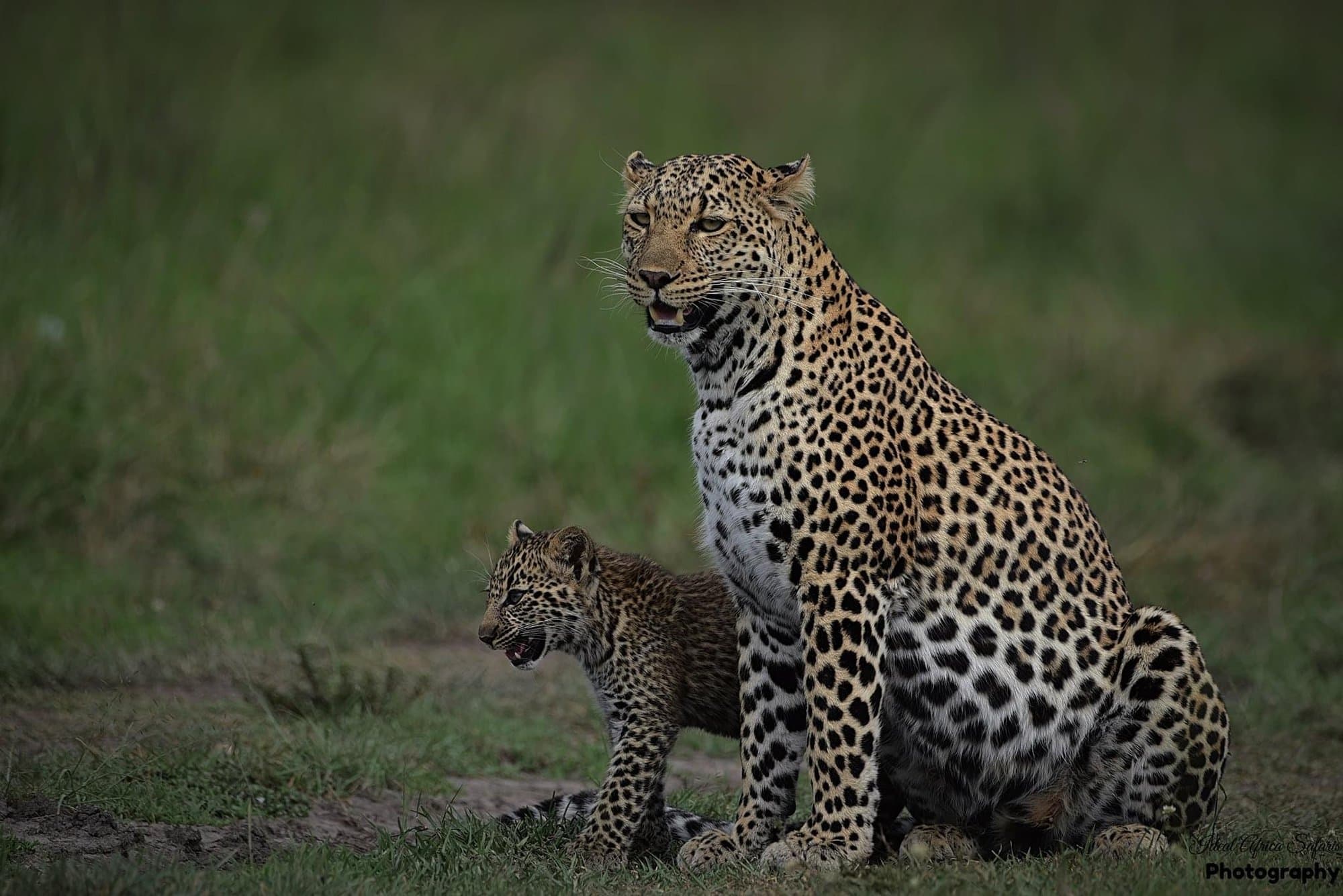
Often overlooked, and often underrated. The long rains bring dramatic skies, lush landscapes, and newborn wildlife across the parks. Predators are still active, birdlife is abundant with migratory species arriving from Europe and North Africa, and importantly this is the quietest and most affordable time to travel. If you don't mind the occasional afternoon shower and are happy trading peak-season crowds for a greener, more peaceful Mara, this season has a lot going for it.
The Short Rains: November
A brief, lighter rainy season that freshens up the landscape after the dry months. Wildlife viewing remains strong, and it's a good in-between option if your travel dates don't line up with the main dry season.
The Coast: December to March
If you're pairing your safari with time on Kenya's Indian Ocean coastline Diani, Malindi, or Lamu. December through March is the sweet spot. Warm, dry, and calm seas, ideal for snorkeling, diving, or simply resting after days in the bush.
Planning Around the Migration Specifically
If the river crossings are your priority, aim for late July through September, and build in at least 3 to 4 nights in the Mara. The crossings follow rainfall and grazing patterns, so exact timing varies year to year, but late August typically offers the highest concentration of crossings at the Mara River.
Practical Takeaways
- For wildlife and comfort: June to October, January to February
- For value and fewer crowds: March to May
- For the migration specifically: Late July to September
- For a safari and beach combo: December to March
- Avoid entirely: April, May, and November can see heavy rains and road closures in some parks, though they're not impossible to navigate.
Whatever month you choose, book with enough lead time to secure your camps and guides. Kenya's best seasons fill quickly, and the experience of seeing Africa on your own terms aligned with your schedule and interests is worth planning for.